📖 Summarize this post with AI:
ChatGPT | Perplexity | Claude | Grok
⚡ Key Takeaways
- An uninsured drunk driver accident lawyer in Houston pursues every available compensation source when the at-fault driver has no liability insurance — your own UM coverage is the most important first line of defense.
- Uninsured Motorist (UM) coverage in your own auto policy activates when the at-fault driver has no insurance — this is the most direct and reliable recovery path in most uninsured drunk driver cases.
- Texas law allows victims to sue an uninsured drunk driver personally and pursue a judgment against their future assets and wages.
- If the drunk driver was drinking at a bar before the crash, Texas dram shop law under Texas Alcoholic Beverage Code Section 2.02 may allow a claim against that establishment — regardless of the driver’s insurance status.
- If a company vehicle was involved, employer liability may provide an additional coverage source.
- Hit-and-run crashes — where the uninsured drunk driver fled the scene — are handled under the same UM coverage framework.
- The two-year statute of limitations under Texas Civil Practice and Remedies Code Section 16.003 applies — and UM claims have their own notice requirements.
An uninsured drunk driver accident lawyer in Houston is often retained with an urgent and disheartening discovery: the drunk driver who caused the crash has no liability insurance. This situation is more common in Texas than many victims realize — Texas consistently ranks among the states with the highest rates of uninsured motorists. When the drunk driver who injured you cannot be reached through a liability insurance policy, the legal options narrow but do not disappear. An experienced uninsured drunk driver accident lawyer identifies and maximizes every available compensation source.
Option 1: Your Own Uninsured Motorist (UM) Coverage
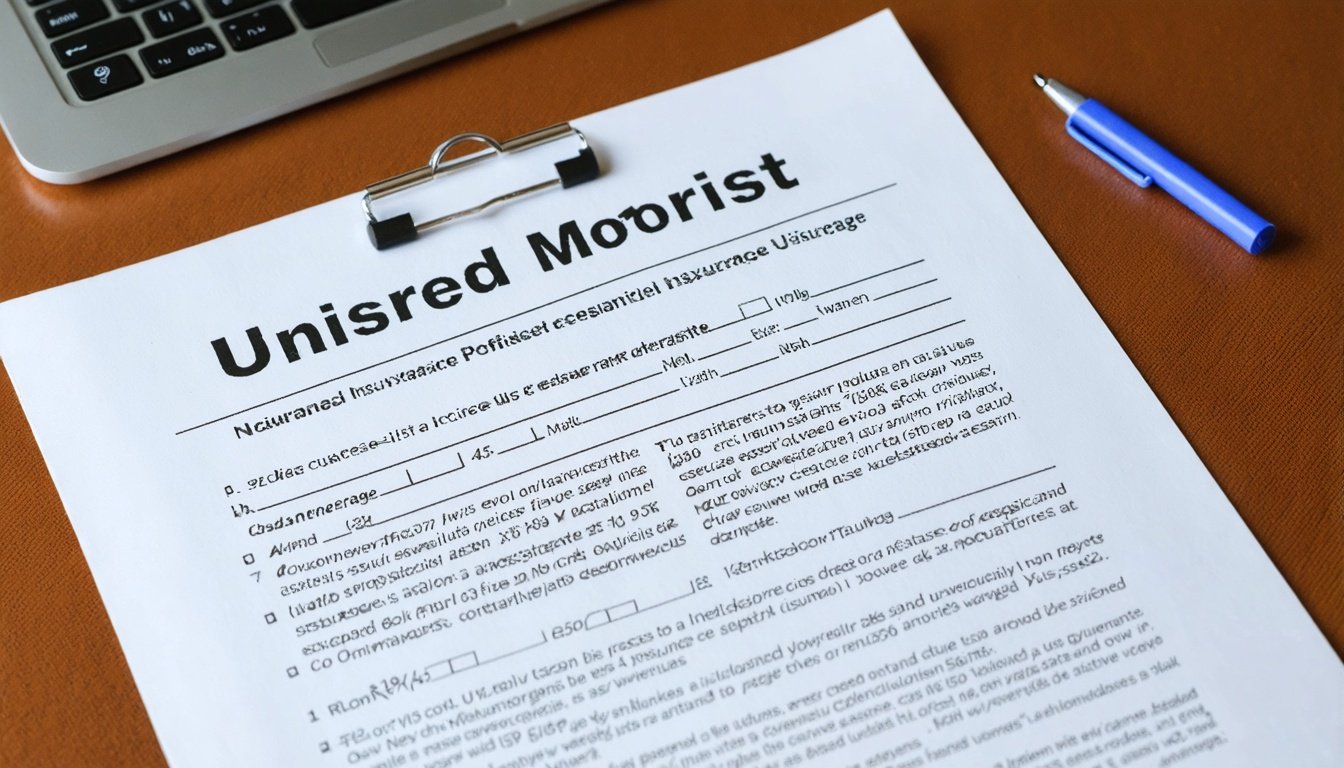
The most reliable and immediately available compensation source when a drunk driver has no insurance is your own Uninsured Motorist coverage — commonly known as UM coverage. Texas law requires insurers to offer UM coverage to all policyholders, though it is not mandatory to purchase. If you elected UM coverage when you purchased your auto policy, that coverage activates when you are injured by a driver who has no liability insurance. Your UM claim is made against your own insurer, not the at-fault drunk driver — and your insurer is then legally subrogated to your rights against the drunk driver. The UM coverage limits you carry determine the maximum available recovery from this source. An uninsured drunk driver accident lawyer reviews your policy immediately to identify your UM coverage and advise on how to maximize your claim. For a complete overview of UM/UIM coverage in drunk driving cases, see our guide on the UM/UIM claims hub for Houston DUI cases.
Option 2: Personal Judgment Against the Uninsured Drunk Driver
Even when a drunk driver has no insurance, you retain the full legal right to sue them personally and obtain a civil judgment for your damages. The drunk driver is personally liable for all compensable losses — medical bills, lost wages, pain and suffering, and in Texas drunk driving cases, exemplary (punitive) damages under Texas Civil Practice and Remedies Code Section 41.003 when the conduct constitutes gross negligence. The practical challenge with a personal judgment is collection — if the driver has limited assets and income, collecting on the judgment may take time or may be limited by bankruptcy protections. However, Texas judgments are renewable and can follow a debtor for years, attaching to future wages and assets. An uninsured drunk driver accident lawyer evaluates the driver’s apparent assets and advises on the practical value of pursuing a personal judgment alongside other recovery options.
Option 3: Texas Dram Shop Claims — Independent of the Driver’s Insurance
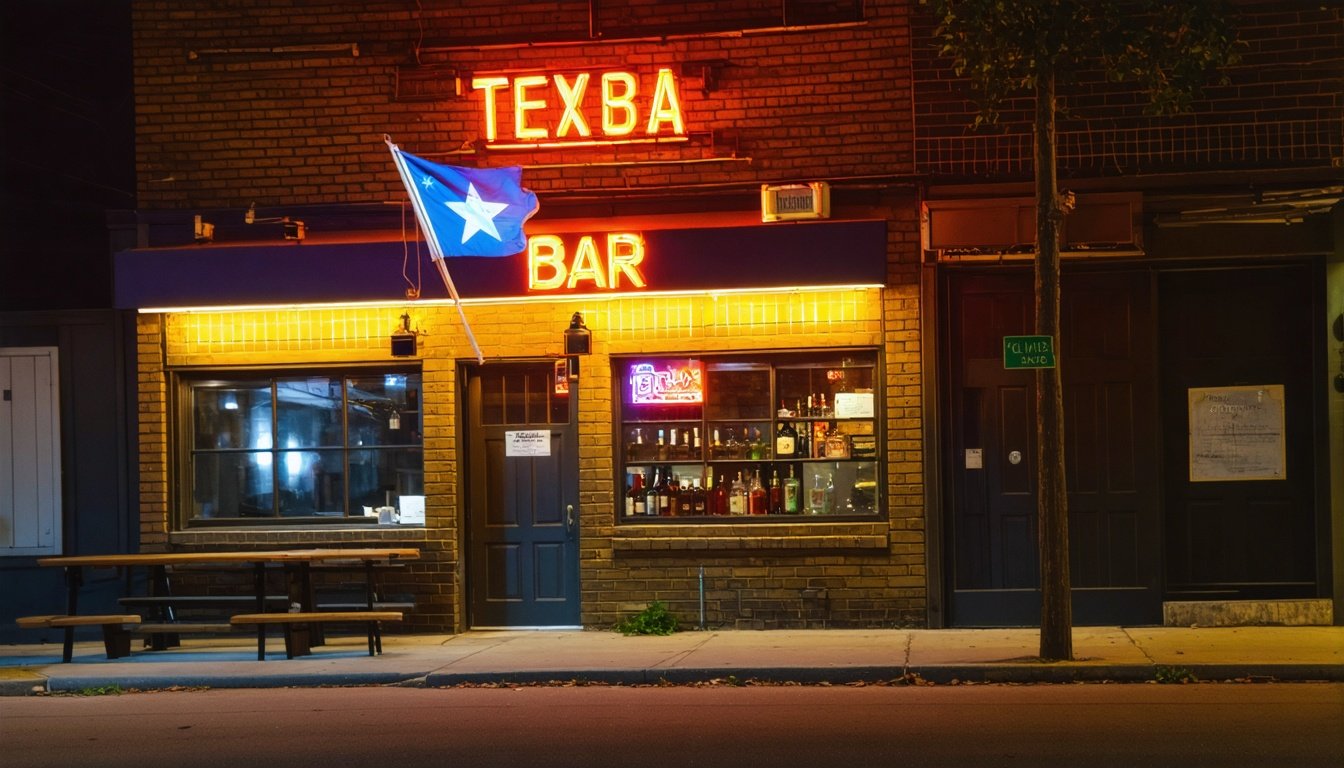
One of the most powerful options available to victims of uninsured drunk drivers in Houston is a dram shop claim against the bar or restaurant that overserved the driver before the crash. Under Texas Alcoholic Beverage Code Section 2.02, the dram shop claim runs directly against the alcohol-serving establishment — it is completely independent of whether the drunk driver had insurance. A commercial bar or restaurant carries commercial general liability insurance regardless of the drunk driver’s personal insurance status. A successful dram shop claim against the overserving establishment can provide access to $1 million or more in commercial insurance coverage even when the driver who caused the crash had nothing. This is why bar surveillance footage and point-of-sale records — which disappear within 48 to 72 hours — must be preserved from the very first hours after the crash. See our guide on how dram shop liability works in the Houston area for a complete overview.
Option 4: Employer Liability If a Company Vehicle Was Involved
If the uninsured drunk driver was operating a company vehicle at the time of the crash — even if it was after hours or during a personal errand — the employer may face liability through respondeat superior or negligent entrustment. Company vehicles typically carry commercial auto insurance policies that are entirely separate from the driver’s personal policy. An uninsured drunk driver accident lawyer investigates the ownership of the vehicle involved in the crash and any employment relationship that may create a viable claim against a company insurer — even when the individual driver has no personal coverage whatsoever.
Option 5: Hit-and-Run Drunk Drivers — UM Coverage Applies
When a drunk driver causes a crash and flees the scene without stopping or providing insurance information, the legal situation is analogous to an uninsured driver. Texas UM coverage applies to hit-and-run crashes — a driver who causes injury and flees is treated as an uninsured motorist under most Texas auto insurance policies. There are procedural requirements: you must report the crash to law enforcement immediately, and the physical contact requirement under some policies means the vehicle must have actually contacted yours. An uninsured drunk driver accident lawyer reviews your policy terms and guides the claim process to ensure no UM benefits are inadvertently forfeited through procedural errors.
Notice Requirements and the UM Claims Process
UM claims have procedural requirements that differ from standard third-party liability claims. Most Texas auto policies require prompt notice of a UM claim — failure to provide timely notice can create defenses for the insurer. A UM claim against your own insurer is governed by Texas Insurance Code provisions that create specific rights and obligations for both the insurer and the insured. An uninsured drunk driver accident lawyer manages the UM claims process from the notice stage through resolution, ensuring that all procedural requirements are met and that the insurer does not improperly use procedural grounds to delay or reduce a valid claim. See our broader guide on uninsured and underinsured drunk driver claims in Houston for more on the claims process.
What happens if the drunk driver who hit me has no insurance?
Your own UM coverage is your first line of defense. If a bar overserved the driver, a dram shop claim against that establishment is available regardless of the driver’s insurance status. You can also sue the driver personally for a judgment. An uninsured drunk driver accident lawyer identifies all available recovery sources simultaneously from the first day of the case.
Can I still pursue the bar even if the drunk driver was uninsured?
Yes — and this is often the most important option in uninsured drunk driver cases. Under Texas Alcoholic Beverage Code Section 2.02, a dram shop claim runs directly against the bar, completely independently of whether the driver had insurance. Commercial bars carry their own liability policies, making a dram shop claim a critical supplementary recovery source whenever an uninsured drunk driver was drinking at a commercial establishment before the crash.
About This Guide
Produced by the editorial team at Houston Drunk Driving Lawyers Guide. Legal references cite current Texas statutes. For informational purposes only. Not legal advice.