📖 Summarize this post with AI:
ChatGPT | Perplexity | Claude | Grok
⚡ Key Takeaways
- A rideshare drunk driver accident lawyer in Houston must navigate layered insurance coverage — the rideshare company’s policy, the driver’s personal policy, and potentially dram shop liability all interact depending on the driver’s app status at the time of the crash.
- Uber and Lyft maintain $1 million liability policies that apply when the driver has a passenger or is en route to pick one up — but coverage differs significantly when the driver is logged into the app without a fare.
- When a rideshare passenger is injured by a drunk driver (not the rideshare driver themselves), separate claims against the at-fault driver and potentially the rideshare company may both be available.
- Texas Insurance Code requirements and rideshare company insurance policies create a complex multi-layer coverage analysis in every drunk rideshare driver case.
- Texas dram shop law under Texas Alcoholic Beverage Code Section 2.02 may apply if a bar or restaurant overserved the drunk rideshare driver before the crash.
- The two-year statute of limitations under Texas Civil Practice and Remedies Code Section 16.003 applies — but rideshare trip data and app records must be preserved immediately.
A rideshare drunk driver accident lawyer in Houston handles one of the most insurance-complex categories of DUI civil litigation — cases where a drunk Uber or Lyft driver’s intoxication intersects with layered corporate insurance policies, app-based coverage triggers, and the specific circumstances of the passenger’s or third-party victim’s situation at the moment of the crash. The insurance analysis alone in a rideshare drunk driver case is more complicated than in any standard DUI personal vehicle case, and understanding the coverage architecture is essential to maximizing total recovery.
How Rideshare Insurance Coverage Works in Three Distinct Phases
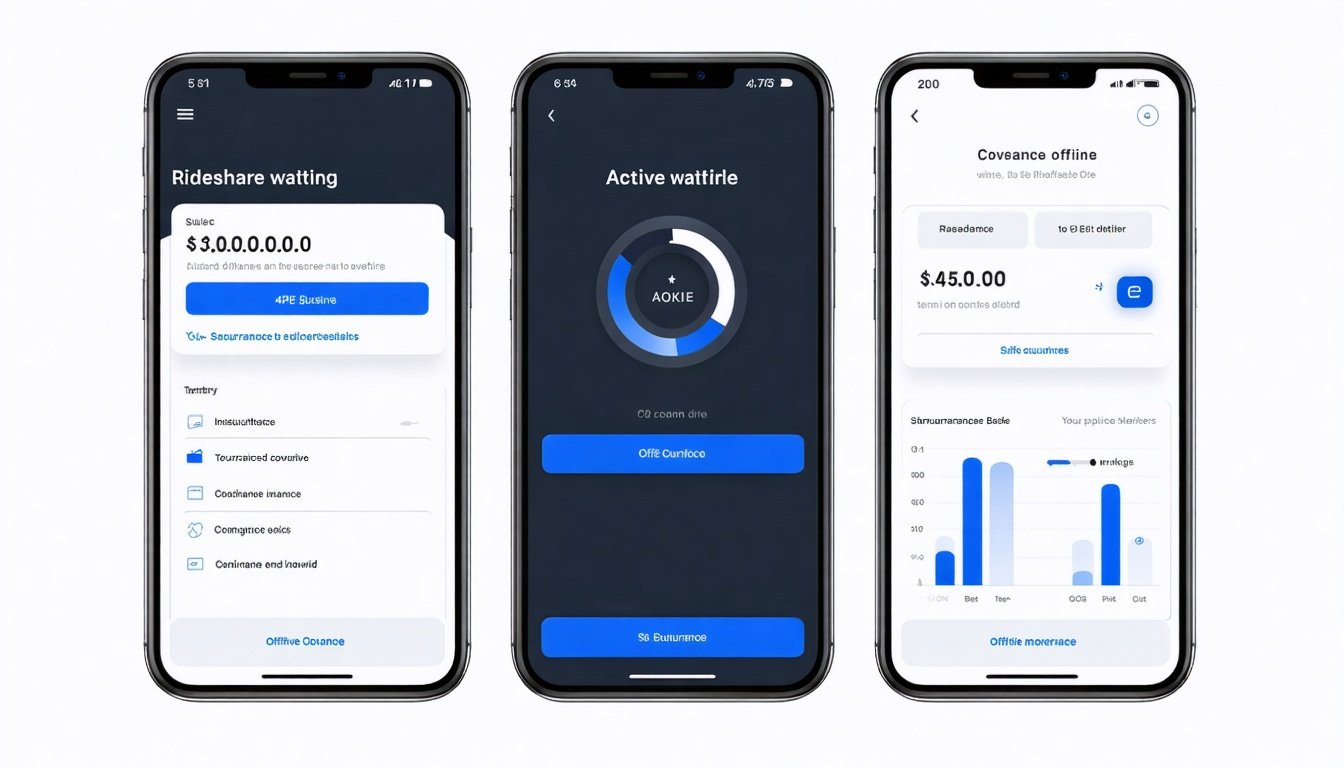
Uber and Lyft both structure their insurance coverage in three distinct phases based on the driver’s app status at the time of the crash. Understanding which phase applied determines which policies are available and at what limits.
Phase 1 — App Off: When the rideshare driver is not logged into the app, only their personal auto insurance policy applies. If the driver was drunk and the app was off, the case proceeds like any standard DUI personal vehicle case. The rideshare company’s policies are not triggered.
Phase 2 — App On, Waiting for a Ride Request: When the driver is logged into the app but has not yet accepted a ride request, the rideshare company’s contingent liability coverage applies — but at reduced limits. Uber and Lyft typically provide $50,000 per person/$100,000 per accident in bodily injury coverage during this phase, but only when the driver’s personal insurance does not cover the claim. A drunk driver in Phase 2 is particularly dangerous because they are actively seeking passengers while impaired.
Phase 3 — Ride Accepted or Passenger On Board: Once the driver accepts a ride request and through the completion of the trip, Uber and Lyft’s $1 million liability policy is in effect. This is the most favorable coverage scenario for injured passengers or third-party victims — the $1 million policy provides meaningful access to compensation for serious injuries caused by a drunk rideshare driver in Phase 3.
Claims Available When a Rideshare Passenger Is Injured by a Drunk Driver
When a rideshare passenger is injured not by their own drunk Uber or Lyft driver, but by another drunk driver who collides with the rideshare vehicle, the insurance analysis becomes even more complex. In this scenario, the victim may have access to the at-fault drunk driver’s personal liability insurance, the rideshare company’s uninsured/underinsured motorist coverage if the drunk driver’s policy is insufficient, and potentially a dram shop claim against the bar or restaurant that overserved the at-fault driver. A rideshare drunk driver accident lawyer in Houston evaluates all three simultaneously to ensure no available coverage source is overlooked. For a broader overview of commercial vehicle DUI liability, see our guide on the commercial drunk driver accident lawyer hub for Houston.
Rideshare Company Liability: When Can Uber or Lyft Be Held Responsible?
Uber and Lyft classify their drivers as independent contractors rather than employees, which limits — but does not eliminate — potential direct liability for the company when a driver causes a drunk driving crash. In most cases, the claim against the rideshare company is an insurance claim rather than a direct negligence claim. However, if a rideshare company had known notice that a specific driver had alcohol-related incidents in their history and continued to allow them to drive on the platform, a negligent retention argument may be available. Texas courts have addressed rideshare liability in various contexts, and the specific facts of each case determine the strength of any direct company liability theory. In practice, the primary claim runs against the company’s insurance policy, not the company itself as a tortfeasor.
Rideshare Trip Data: Evidence That Must Be Preserved Immediately
Rideshare drunk driver cases generate a unique category of electronic evidence — trip data, GPS route records, driver app status at the time of the crash, and in-app communications — that must be formally preserved through legal channels as quickly as possible. Rideshare companies have litigation hold procedures, but they must be triggered promptly with formal legal notice. A rideshare drunk driver accident lawyer must send preservation demands to Uber or Lyft immediately upon being retained, specifying the trip information, the driver’s account data, and all GPS and app status records surrounding the time of the crash. This trip data is critical to establishing which insurance phase was active at the time of the crash and therefore which coverage limits apply.
Dram Shop Liability in Rideshare Drunk Driver Cases
If the rideshare driver was drinking at a bar or restaurant before starting their shift on the app, Texas Alcoholic Beverage Code Section 2.02 may create a dram shop claim against the overserving establishment. A drunk rideshare driver who consumed alcohol at a bar before logging into the Uber or Lyft app creates the same evidentiary preservation urgency as any other drunk driving case — bar surveillance footage and point-of-sale records disappear within 48 to 72 hours. An experienced rideshare drunk driver accident lawyer investigates this avenue alongside the insurance coverage analysis. For more on dram shop liability, see our guide on how dram shop liability works in the Houston area.
What Houston Rideshare DUI Accident Victims Should Do Immediately
Whether you are a passenger in a drunk rideshare driver’s vehicle, a pedestrian struck by a drunk Uber driver, or the occupant of another vehicle hit by a drunk Lyft driver, the immediate steps are the same. Seek same-day medical treatment. Call 911. Request the rideshare trip information from the app immediately after the crash while it is still accessible. Note the driver’s name, vehicle information, and the ride status shown in the app at the time of the crash. Retain a rideshare drunk driver accident lawyer in Houston as quickly as possible so that formal preservation demands can be sent to the rideshare company and any relevant bars or restaurants before data and footage disappear. For a complete guide, see our resource on the first 7 steps to protect your drunk driving crash claim.
How does Uber or Lyft insurance work when a drunk driver causes a crash?
Coverage depends on the driver’s app status. App off means only personal insurance applies. App on but no ride accepted means contingent coverage of $50,000/$100,000 applies. Once a ride is accepted or a passenger is on board, Uber and Lyft’s $1 million liability policy is in effect — providing the most meaningful coverage for victims of drunk rideshare driver crashes.
What if I was a rideshare passenger injured by a different drunk driver who hit our car?
You may access the at-fault drunk driver’s personal liability insurance, the rideshare company’s UM/UIM coverage if the drunk driver’s policy is insufficient, and potentially a dram shop claim against the bar that overserved the drunk driver. A rideshare drunk driver accident lawyer evaluates all three coverage sources simultaneously.
About This Guide
Produced by the editorial team at Houston Drunk Driving Lawyers Guide. Legal references cite current Texas statutes. For informational purposes only. Not legal advice.