📖 Summarize this post with AI:
ChatGPT | Perplexity | Claude | Grok
⚡ Key Takeaways
- A dram shop liability lawyer in Houston pursues civil claims against bars and clubs under Texas Alcoholic Beverage Code Section 2.02 when they overserve a visibly intoxicated person who then causes a crash.
- To win, you must show the establishment served someone who was visibly intoxicated to the extent they were a danger at the time of service.
- Commercial alcohol providers carry much higher liability insurance limits than individual drunk drivers — making a dram shop claim a critical source of additional compensation.
- Dram shop evidence disappears within 48 to 72 hours and must be preserved immediately.
- A dram shop claim runs alongside the civil claim against the drunk driver — not instead of it.
- The statute of limitations for dram shop claims is two years from the crash date under Texas Civil Practice and Remedies Code Section 16.003.
A dram shop liability lawyer in Houston pursues one of the most powerful — and time-sensitive — legal theories available after a drunk driving crash: the claim that the bar, restaurant, or club that served the drunk driver before the crash shares civil liability for the injuries or death that followed. This guide explains how dram shop liability works in Houston, what must be proven to hold a bar accountable, and why acting immediately after the crash is critical.
What Is Texas Dram Shop Law?
The Texas Dram Shop Act is codified at Texas Alcoholic Beverage Code Section 2.02. It creates civil liability for commercial alcohol providers — bars, restaurants, clubs, convenience stores, and other establishments licensed to sell alcohol — when they provide alcohol to an individual who was visibly intoxicated to the extent the person presented a clear danger to themselves or others, and that intoxication subsequently caused injury or death. For a full overview, see our guide at the Houston dram shop liability lawyer hub.
When Can a Bar Be Sued After a Houston DUI Crash?
Under Texas Alcoholic Beverage Code Section 2.02, a bar can be held civilly liable when three elements are established: the establishment provided alcohol to the drunk driver; at the time of service, the driver was visibly intoxicated to the extent they presented a danger; and that intoxication was a proximate cause of the injuries or death. All three must be proven by a preponderance of the evidence.
What “Visibly Intoxicated” Means Under Texas Law
Texas Alcoholic Beverage Code Section 1.04 defines intoxicated as not having the normal use of mental or physical faculties due to alcohol. In the dram shop context, courts look for observable manifestations of intoxication apparent to a reasonable bartender or server: slurred speech, bloodshot eyes, unsteady gait, difficulty maintaining balance, or loud disruptive behavior. A high BAC at the crash time is powerful but not alone sufficient — the plaintiff must connect the visible condition at the bar to the service event.
The Evidence a Houston Dram Shop Liability Lawyer Must Preserve Immediately
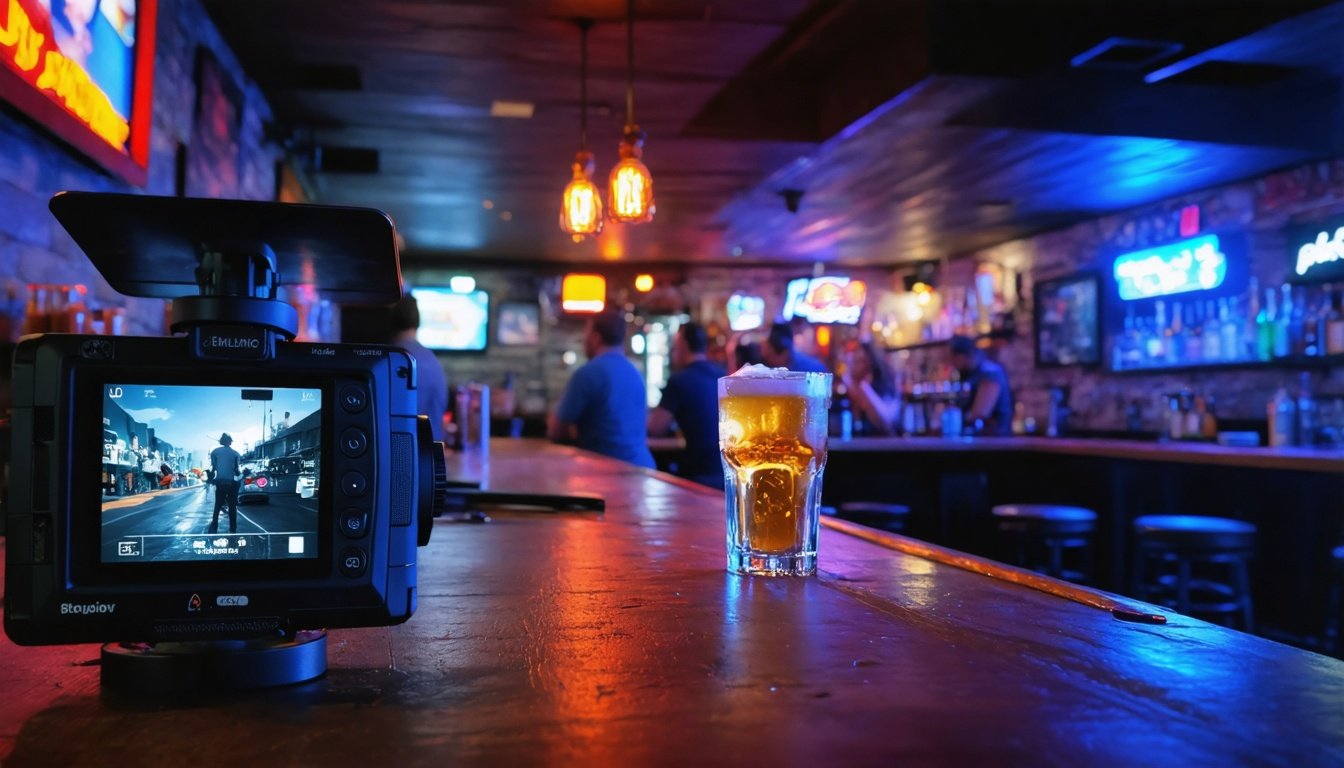
A dram shop liability lawyer in Houston must send formal evidence preservation letters to the bar within the first 24 to 48 hours, demanding all surveillance footage, point-of-sale records, bartender shift schedules, and server notes be preserved. They must also identify and interview witnesses who were present at the establishment, and secure point-of-sale records showing what drinks were purchased and when.
Why Dram Shop Claims Dramatically Expand Total Available Compensation
Individual drunk drivers frequently carry minimum liability coverage of $30,000 per person — completely inadequate for serious or catastrophic injuries. Bars, restaurants, and clubs carry commercial general liability policies with limits typically far higher — often $1 million, $2 million, or more. A successful dram shop claim adds their insurance coverage to the total pool of available compensation. In catastrophic injury or wrongful death cases, the dram shop claim is frequently the difference between a settlement that adequately reflects the victim’s losses and one that does not.
Texas Safe Harbor Defense: What Bars Argue to Escape Liability
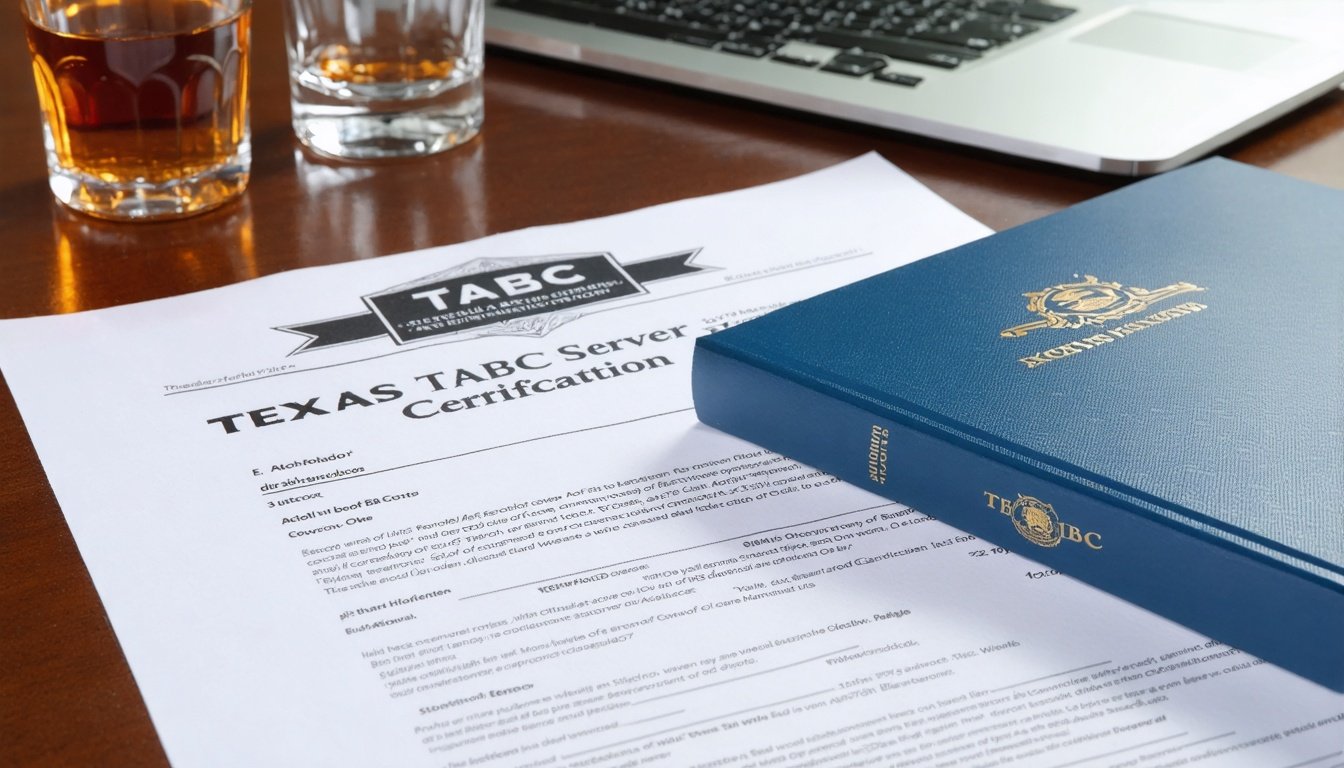
Texas Alcoholic Beverage Code Section 106.14 provides a limited safe harbor defense for employers if the employee who served the alcohol was TABC-certified and the employer had policies prohibiting service to intoxicated individuals. This defense is not absolute — it requires proof of actual certification and genuine enforcement — but it is routinely raised by defense attorneys in dram shop litigation.
How Dram Shop Claims Interact With the Civil Claim Against the Driver
Texas comparative fault rules under Texas Civil Practice and Remedies Code Section 33.001 allow the jury to apportion liability among multiple defendants — including both the drunk driver and the dram shop establishment. Victims in Houston dram shop cases often have access to multiple insurance policies simultaneously. An experienced Houston dram shop liability lawyer structures the claims against all defendants strategically to maximize total recovery across all available insurance sources.
Can a bar really be sued after a Houston drunk driving crash?
Yes. Texas Alcoholic Beverage Code Section 2.02 creates civil liability for any licensed commercial alcohol provider that serves a visibly intoxicated person who then causes injury or death.
How quickly does dram shop evidence disappear?
Most bar surveillance systems overwrite footage within 48 to 72 hours. This is why retaining a dram shop liability lawyer immediately after the crash — not days later — is critical to preserving the evidence that makes these claims winnable.
About This Guide
Produced by the editorial team at Houston Drunk Driving Lawyers Guide. Legal references cite current Texas statutes. For informational purposes only. Not legal advice.