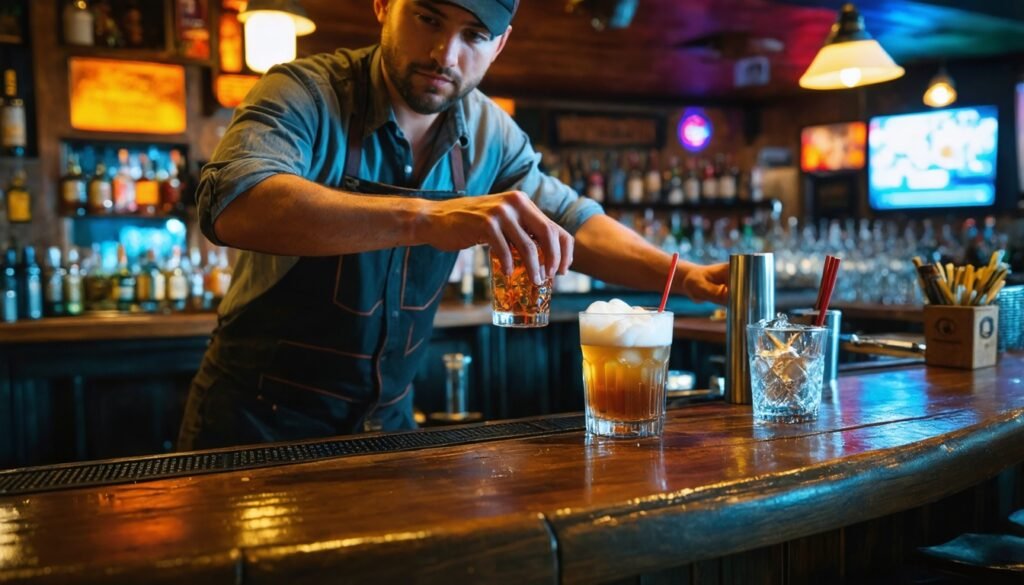
📖 Summarize this post with AI:
ChatGPT | Perplexity | Claude | Grok
⚡ Key Takeaways
- A Houston dram shop lawyer pursues civil liability against alcohol-serving businesses under Texas Alcoholic Beverage Code Section 2.02 when their overservice of a visibly intoxicated patron contributes to a crash.
- Overservice is not just about how much alcohol was served — it’s about whether the server knew or should have known the patron was visibly intoxicated and continued serving anyway.
- Texas holds any licensed commercial alcohol provider accountable — bars, restaurants, nightclubs, hotel bars, sports venues, and convenience stores.
- TABC certification training does not automatically protect an establishment from dram shop liability if a trained employee still overserved a visibly intoxicated patron.
- Dram shop cases often require expert testimony including forensic toxicologists and hospitality industry service standards experts.
- Commercial alcohol providers often try to settle dram shop claims quickly — never accept a settlement offer before consulting an attorney.
A Houston dram shop lawyer investigates and pursues civil liability claims against alcohol-serving businesses whose overservice of a visibly intoxicated patron contributed to a drunk driving crash. Understanding how alcohol overservice translates into civil legal liability — and what evidence establishes that the overservice occurred — is the core of every dram shop case in Texas.
What Is Alcohol Overservice Under Texas Dram Shop Law?
Overservice occurs when a licensed commercial alcohol provider continues to serve alcohol to a patron who is visibly intoxicated to the extent that they present a danger. Texas Alcoholic Beverage Code Section 2.02 creates liability specifically when the server had actual or constructive knowledge that the patron was visibly intoxicated at the point of service — and chose to serve them anyway. For a comprehensive overview, see our guide on the Houston dram shop liability lawyer hub.
Which Establishments Can Be Held Liable for Overservice in Houston?
Any commercial entity licensed by the Texas Alcoholic Beverage Commission (TABC) to sell alcohol can face dram shop liability under Section 2.02. This includes bars and nightclubs, restaurants, hotel bars, sports venues, convenience stores, and event caterers. Multiple establishments can share dram shop liability if the driver was overserved at more than one venue before the crash.
The Evidence of Overservice That Matters Most
Quantity and Timing of Drinks Served
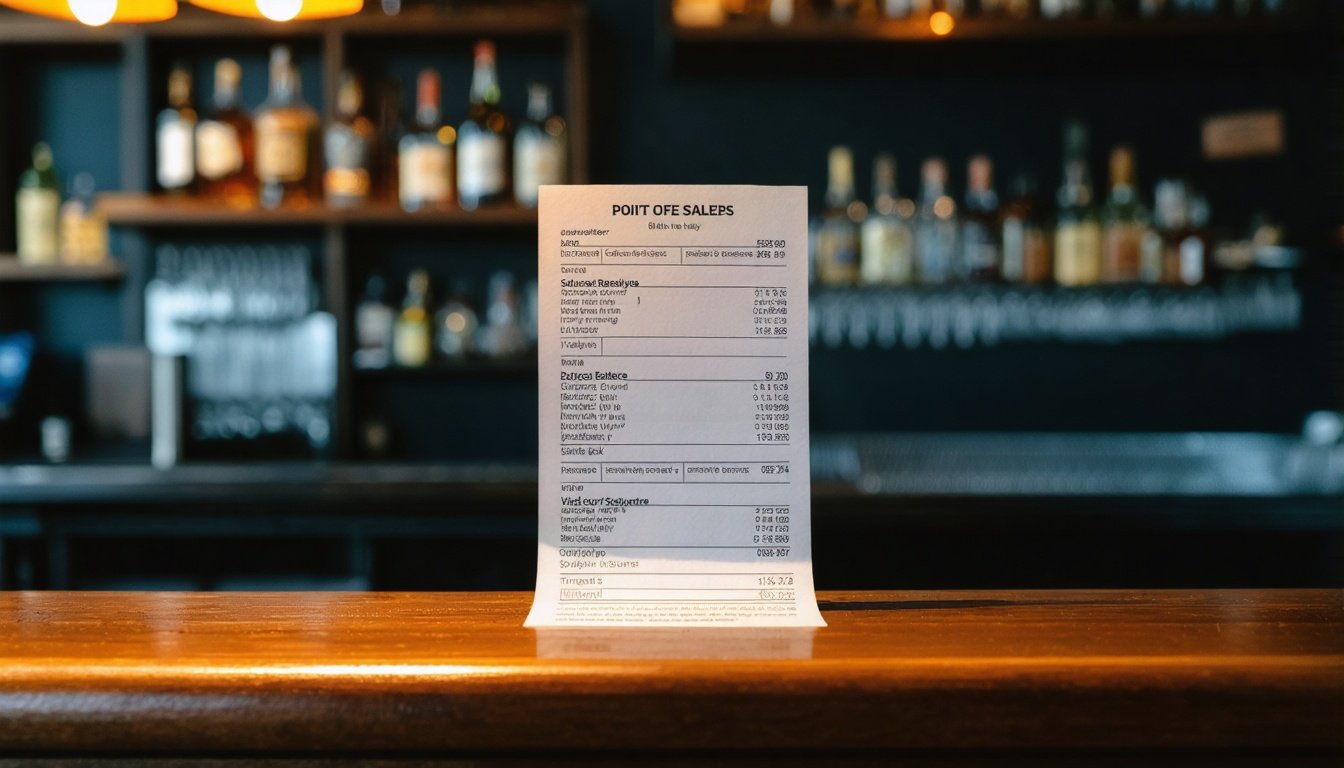
Point-of-sale records showing the number of drinks purchased, over what time period, and on which tab are foundational evidence. A forensic toxicologist uses this data to reconstruct the driver’s probable BAC at the time of service. If the reconstruction shows the driver was likely intoxicated before their last drink was served, the case for overservice becomes substantially stronger.

Surveillance Footage of the Service Interaction
Bar surveillance footage capturing the drunk driver being served — their posture, gait, speech patterns, and interactions — is often the most powerful overservice evidence available. It allows a jury to see the visible signs of intoxication that were present at the time of service. This footage is overwritten within 48 to 72 hours on most commercial systems, making immediate preservation letters essential.
Expert Testimony in Contested Dram Shop Cases
In contested dram shop cases, a forensic toxicologist can reconstruct the driver’s BAC over time, and a hospitality industry expert can testify about what a properly trained TABC-certified server should have observed and done differently. These experts translate raw evidence into a coherent and persuasive overservice narrative that a jury can evaluate.
How TABC Certification Affects Overservice Liability
Texas Alcoholic Beverage Code Section 106.14 provides a limited employer safe harbor defense when the serving employee held valid TABC certification at the time of service. This defense shifts potential liability from the employer to the individual employee — it does not eliminate the claim entirely. TABC certification does not shield an establishment from liability when the certified employee still overserved a visibly intoxicated patron in violation of their training.
The Value of a Dram Shop Claim
Commercial general liability insurance policies held by bars typically carry limits of $1 million to $3 million or more — far higher than the $30,000 minimum liability coverage many individual drunk drivers maintain. A successful dram shop overservice claim in Houston adds that commercial policy limit to the available recovery pool. For more on how dram shop claims combine with the claim against the driver, see our guide on the Houston dram shop liability hub.
What to Do Immediately If You Suspect a Bar Overserved the Drunk Driver
Note any receipts, credit card statements, or social media posts indicating where the driver was drinking before the crash. Retain a Houston dram shop lawyer as quickly as possible — within hours if possible — so that evidence preservation letters can be sent before footage and records disappear.
What types of businesses can face dram shop liability in Houston?
Any TABC-licensed commercial alcohol provider — bars, restaurants, nightclubs, hotel bars, sports venues, convenience stores, and licensed event caterers — can face dram shop liability under Texas Alcoholic Beverage Code Section 2.02 if they overserve a visibly intoxicated person who then causes injury or death.
Does TABC certification protect a bar from overservice liability?
Not automatically. It may provide a limited employer safe harbor under Texas Alcoholic Beverage Code Section 106.14 — but only if the employee was actually certified, the employer had genuine policies in place, and the employee violated those policies.
About This Guide
Produced by the editorial team at Houston Drunk Driving Lawyers Guide. Legal references cite current Texas statutes. For informational purposes only. Not legal advice.