📖 Summarize this post with AI:
ChatGPT | Perplexity | Claude | Grok
⚡ Key Takeaways
- Proving fault in a Texas civil DUI case requires only a preponderance of the evidence — not proof beyond a reasonable doubt as in criminal court.
- A BAC of 0.08% or higher creates a legal presumption of intoxication, but civil liability can be established at lower levels with supporting evidence.
- The police report, field sobriety observations, and DWI arrest record form the foundation of liability in most Houston intoxicated driver cases.
- Accident reconstructionists can establish speed, impact force, and sequence of events when the police report alone is insufficient.
- Witness testimony identifying erratic driving behavior before the crash is among the most persuasive evidence in Texas DUI civil cases.
- Texas’s modified comparative fault rule means your own partial fault reduces but does not eliminate your recovery — unless you are more than 50% responsible.
Intoxicated driver accident lawyer Houston cases are more complex than most victims expect. When a driver is intoxicated behind the wheel, you might assume proving they caused the crash is straightforward — but in a Texas civil case, “proving fault” is a specific legal process with defined standards, evidence requirements, and strategic considerations. This guide explains exactly what evidence carries the most weight and why early legal action is critical.
What Does “Proving Fault” Mean in a Houston Intoxicated Driver Case?
Proving fault in a civil personal injury case means establishing, by a preponderance of the evidence, that the intoxicated driver’s negligence caused your injuries. This is a significantly lower standard than the “beyond a reasonable doubt” threshold required in criminal court. Your attorney must present a stronger and more credible account of events than the defense — establishing duty, breach, causation, and damages.
The Role of the Police Report in Establishing Liability
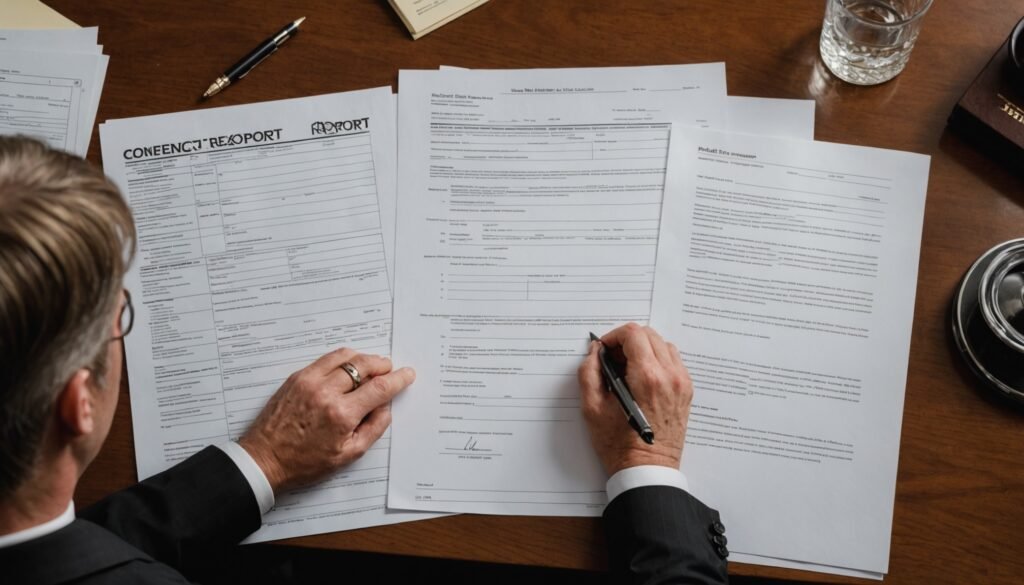
The Texas Peace Officer’s Crash Report is the most immediate and foundational liability document in any DUI crash case. It documents the officer’s direct observations — odor of alcohol, slurred speech, bloodshot eyes, erratic behavior, failed field sobriety tests, and whether a DWI citation or arrest was made. Request a certified copy from the Houston Police Department or Texas Department of Transportation as soon as it becomes available. For a broader overview, see our guide on how to build a strong drunk driver injury claim in Houston.
BAC Evidence: What the Blood Alcohol Results Mean for Your Case
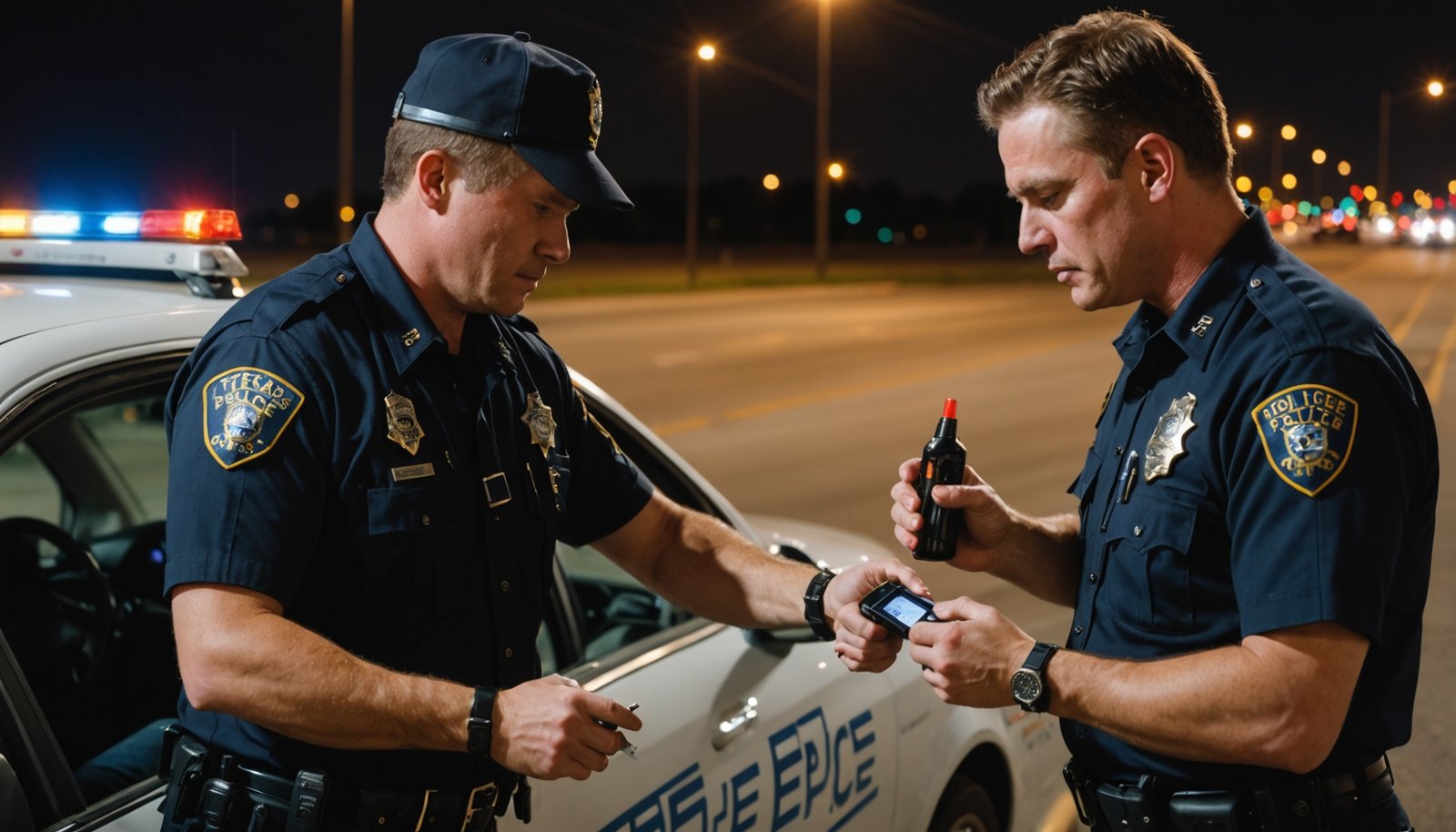
Under Texas Penal Code Section 49.04, a BAC of 0.08% or higher creates a legal presumption of intoxication. In a civil case, BAC results from a breathalyzer or blood draw ordered during the DWI investigation carry significant weight. Importantly, civil liability can be established even when the BAC is below 0.08% — field sobriety test failures, erratic driving observations, and witness accounts can all establish civil impairment at lower levels. An experienced intoxicated driver accident lawyer Houston residents trust knows how to build this argument effectively.
Witness Testimony: Capturing What the Police Report Missed
Independent witness testimony is one of the most persuasive forms of liability evidence in Texas DUI civil cases. A witness who observed the intoxicated driver weaving between lanes on I-45, accelerating through a red light on Westheimer, or stumbling from a bar before the crash can corroborate the police report’s findings. Witness identification is time-sensitive — your attorney can review the police report for witness information, canvas nearby businesses, and review social media posts about the incident.
Surveillance and Dashcam Footage: The Most Objective Evidence
Video footage of the crash — or of the intoxicated driver’s behavior before the collision — is among the strongest possible liability evidence. Traffic cameras, business security systems, dashcam footage from nearby motorists, and patrol car cameras can all capture relevant footage. Critically, most surveillance footage is overwritten within 48 to 72 hours. Your attorney must send formal evidence preservation letters immediately upon being retained. This is one of the strongest arguments for retaining a Houston drunk driving accident lawyer immediately after the crash.
Accident Reconstruction: Rebuilding the Crash When Evidence Is Disputed
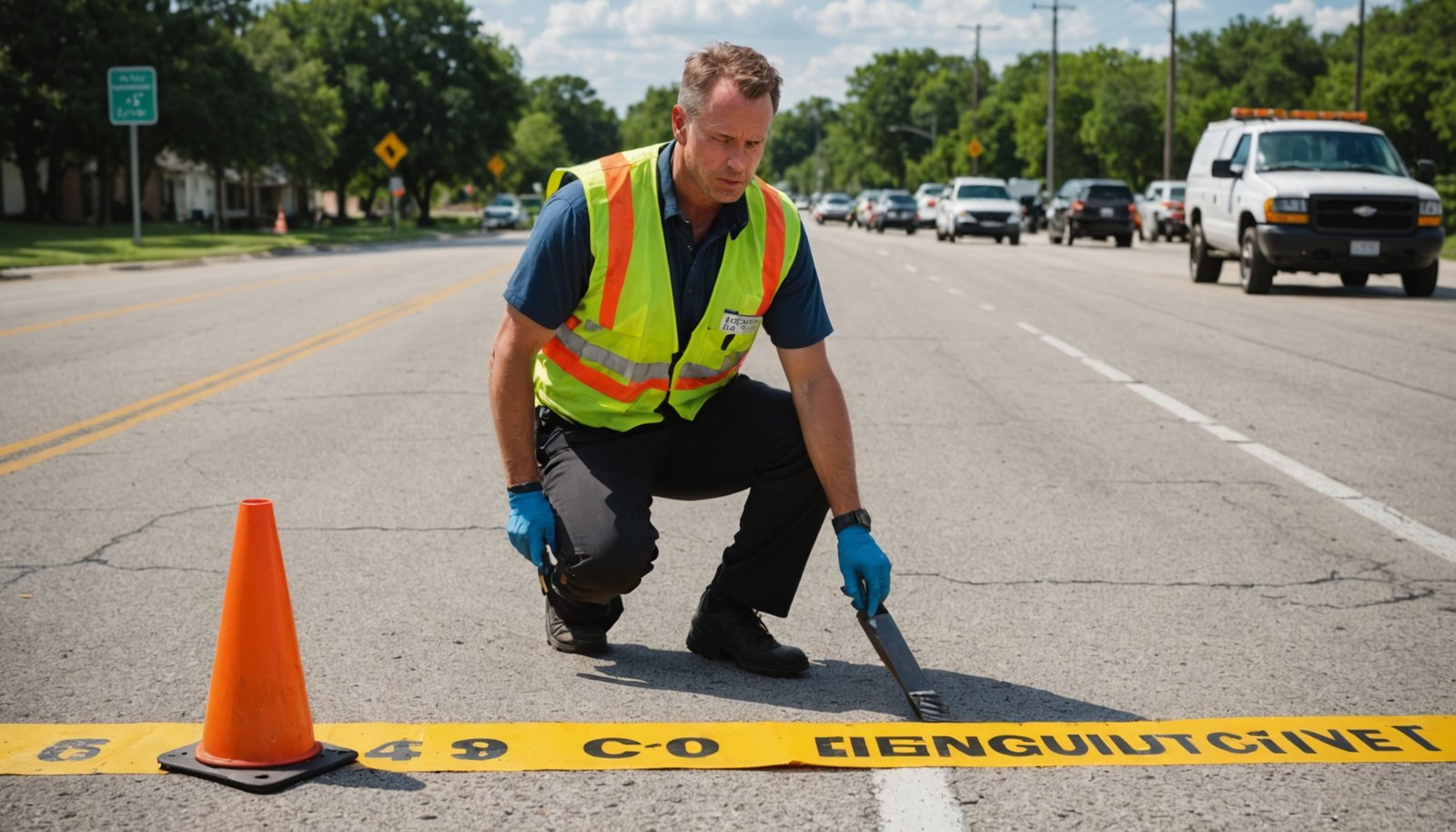
In serious or fatal DUI crash cases, your attorney may retain an accident reconstruction expert. These specialists use skid marks, vehicle damage patterns, debris fields, road geometry, and vehicle data recorders to reconstruct the sequence of events. Their testimony can establish speed, reaction time, point of impact, and the causal link between the driver’s intoxication and the collision with scientific precision that a jury finds credible.
Texas Comparative Fault: How Shared Responsibility Affects Your Claim
Texas follows a modified comparative fault system under Texas Civil Practice and Remedies Code Section 33.001. If you are found partially responsible for the accident, your recovery is reduced proportionally by your percentage of fault. However, as long as you are not found more than 50% responsible, you can still recover. Insurance companies for intoxicated drivers sometimes attempt to assign partial fault to the victim — an experienced attorney anticipates these arguments and builds counter-evidence from the start.
Do I need a criminal conviction to win a Houston DUI civil case?
No. A DWI conviction strengthens your civil case significantly — but a not-guilty verdict or dismissed charge does not prevent you from prevailing in civil court, where you only need to prove fault by a preponderance of the evidence.
What if the intoxicated driver claims I was also at fault?
Under Texas’s modified comparative fault rule, partial fault reduces but does not eliminate your recovery — as long as you are not found more than 50% responsible. Your attorney will build evidence specifically to counter partial fault arguments.
About This Guide
Produced by the editorial team at Houston Drunk Driving Lawyers Guide. For informational purposes only. Not legal advice.