📖 Summarize this post with AI:
ChatGPT | Perplexity | Claude | Grok
⚡ Key Takeaways
- Houston DUI cases involve parallel criminal and civil proceedings — evidence from the criminal DWI case can be leveraged directly in the civil claim.
- Under Texas Civil Practice and Remedies Code Section 41.003, drunk driving is recognized as gross negligence, opening the door to exemplary damages.
- Texas dram shop law creates third-party liability for bars that overserved the drunk driver.
- BAC records, surveillance footage, and bar receipts can disappear within 48–72 hours.
- A criminal acquittal does not eliminate civil liability — the civil burden of proof is lower than the criminal standard.
You might assume a drunk driving accident claim works like any other car accident claim. In reality, DUI accident cases in Houston operate on a fundamentally different legal, evidentiary, and financial plane. The distinctions affect how evidence is gathered, how liability is established, what damages are available, and how insurance companies approach these cases. This guide explains what makes Houston DUI accident cases genuinely different and why that matters for your claim.
What Is a Houston DUI Accident Case?
A Houston DUI accident case is a civil personal injury claim filed by a victim against a driver who operated a vehicle while impaired. In Texas, the relevant criminal offense is DWI under Texas Penal Code Section 49.04 — defined as operating a motor vehicle in a public place while intoxicated, either by having a BAC of 0.08% or higher, or by lacking the normal use of mental or physical faculties due to a substance. The civil injury case runs parallel to and separately from any criminal DWI prosecution, governed by a different standard of proof, a broader set of potential defendants, and a unique damages framework.
The Criminal Case Runs in Parallel — and Creates Usable Evidence
When a drunk driver is arrested, the State of Texas initiates a criminal DWI prosecution. This generates evidence your attorney can use: BAC test results, the arresting officer’s field sobriety documentation, patrol car dashcam footage, and any statements the driver made. Critically, the outcome of the criminal case does not control your civil claim. A DWI conviction strengthens your case — but a not-guilty verdict or dismissed charge does not prevent you from prevailing in civil court. Criminal conviction requires proof beyond a reasonable doubt; civil liability requires only a preponderance of the evidence.
Exemplary (Punitive) Damages Are Available in DUI Cases
In a standard car accident case, compensation is limited to your actual losses. DUI cases are different. Under Texas Civil Practice and Remedies Code Section 41.003, courts may award exemplary damages when a defendant’s conduct constitutes gross negligence. Texas courts consistently recognize that driving while intoxicated meets this standard. The credible threat of exemplary damages gives your attorney powerful negotiating leverage — insurers are far more motivated to settle when punitive exposure is realistic.
Third-Party Dram Shop Liability Sets DUI Cases Apart
Texas Alcoholic Beverage Code Section 2.02 — the Texas Dram Shop Act — allows DUI crash victims to file civil claims against bars, restaurants, clubs, and other commercial alcohol providers who sold or served alcohol to a visibly intoxicated individual who then caused injury. If the drunk driver had been drinking at a bar before the crash, your attorney will investigate whether the establishment overserved them. This evidence disappears quickly, which is why retaining a Houston drunk driving accident lawyer immediately is critical.
Evidence Has a Uniquely Short Window in DUI Cases
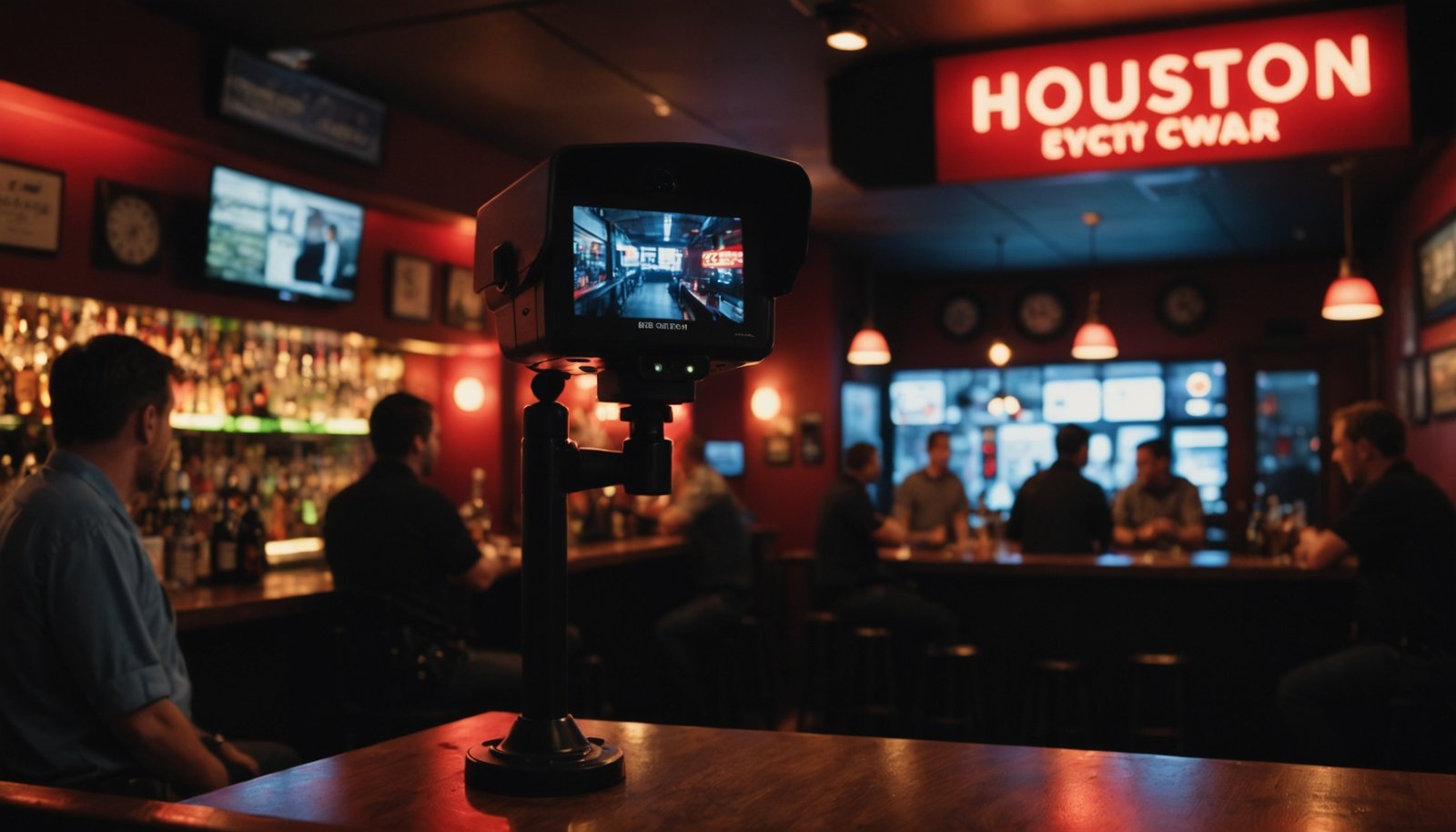
DUI cases require faster evidence preservation than most personal injury claims. BAC test results become harder to obtain as the criminal case progresses. Surveillance footage from bars, restaurants, gas stations, and traffic cameras is typically overwritten every 48 to 72 hours. Bar receipts and point-of-sale records showing the drunk driver’s purchases are often not retained beyond a short window. An attorney who understands the DUI case timeline will send formal evidence preservation letters within hours of being retained. See our guide on how to build a strong drunk driver injury claim in Houston for a complete breakdown.
How Juries Respond to DUI Cases
Drunk driving accidents are not perceived by juries as random misfortune. They involve a deliberate choice to drive while impaired. Jurors are often parents, commuters, and community members who understand viscerally how dangerous drunk driving is. This moral dimension consistently produces higher jury verdicts in DUI cases than in comparable non-DUI crashes. Insurance companies know this, which is why the threat of trial in a DUI case carries genuine weight in settlement negotiations.
Does a DWI conviction automatically win my civil case?
No — but it significantly strengthens it. A DWI conviction establishes legal intoxication, supporting liability and the argument for exemplary damages. You still need to prove that the intoxication caused your specific injuries.
Can I sue the bar that served the drunk driver who hit me?
Potentially yes. Texas Alcoholic Beverage Code Section 2.02 — the Texas Dram Shop Act — allows victims to file civil claims against commercial alcohol providers who served a visibly intoxicated person who then caused injury. These claims require evidence that must be preserved quickly.
Are DUI accident settlements higher than regular car accident settlements?
Generally yes. DUI cases carry exemplary damages exposure, produce higher jury verdicts, and often involve multiple defendants — all of which create pressure on insurers to settle at higher values.
About This Guide
Produced by the editorial team at Houston Drunk Driving Lawyers Guide. For informational purposes only. Not legal advice.