
📖 Summarize this post with AI:
ChatGPT | Perplexity | Claude | Grok
⚡ Key Takeaways
- Texas law gives DUI crash victims two years from the date of the accident to file a personal injury lawsuit.
- Seeking medical attention the same day as the crash creates a medical record that directly ties your injuries to the accident.
- The at-fault driver’s insurance adjuster works to minimize your payout — never give a recorded statement before speaking with your own attorney.
- Surveillance footage is typically overwritten within 48–72 hours; an attorney must act fast to preserve this critical evidence.
- Texas dram shop laws allow victims to pursue claims against bars and restaurants that overserved the drunk driver.
- Most Houston drunk driving accident lawyers work on a contingency fee basis — you pay nothing upfront.
A drunk driving accident lawyer in Houston is the most important call you can make in the hours after a DUI crash. Most victims know to call 911 — but far fewer realize that the 48 hours following the collision are the most legally critical window of their entire case. The decisions made before speaking to a lawyer can either build a strong foundation for full compensation or quietly undermine it. This guide explains the exact steps a Houston drunk driving accident lawyer recommends for protecting your claim from the moment the crash happens.
What Does a Houston Drunk Driving Accident Lawyer Do?
A Houston drunk driving accident lawyer is a personal injury attorney who specializes in civil claims arising from crashes caused by intoxicated drivers. Unlike the criminal DWI case the state files against the drunk driver, your civil case is entirely separate — it is your legal vehicle for recovering compensation for medical bills, lost income, pain and suffering, and other damages. Your lawyer investigates the crash independently, handles all communication with insurance companies, identifies all liable parties including dram shop defendants, and fights to maximize your recovery.
Why the First 48 Hours After a Houston DUI Crash Are Critical
Evidence in drunk driving cases has a very short shelf life. Breathalyzer and blood test results are accessible for a limited time. Surveillance footage from bars, restaurants, traffic cameras, and nearby businesses is routinely overwritten every 48 to 72 hours. The sooner you act — and the sooner your attorney acts on your behalf — the stronger the evidentiary foundation your case is built on.
Step 1: Get Medical Attention the Same Day
Seeking medical evaluation the same day creates a timestamped medical record that directly connects your injuries to the accident. Insurance adjusters aggressively exploit any gap between the crash date and your first medical visit. Go to the emergency room or urgent care that day and attend every follow-up appointment.
Step 2: Call 911 and Make Sure a Police Report Is Filed
In Texas, state law requires drivers to report any collision resulting in injury, death, or property damage exceeding $1,000. When law enforcement arrives at a suspected DUI crash scene, officers will conduct field sobriety tests, document observations of intoxication, and complete an official crash report. Request a certified copy as soon as it becomes available through the Houston Police Department or Texas Department of Transportation.
Step 3: Document Everything at the Scene
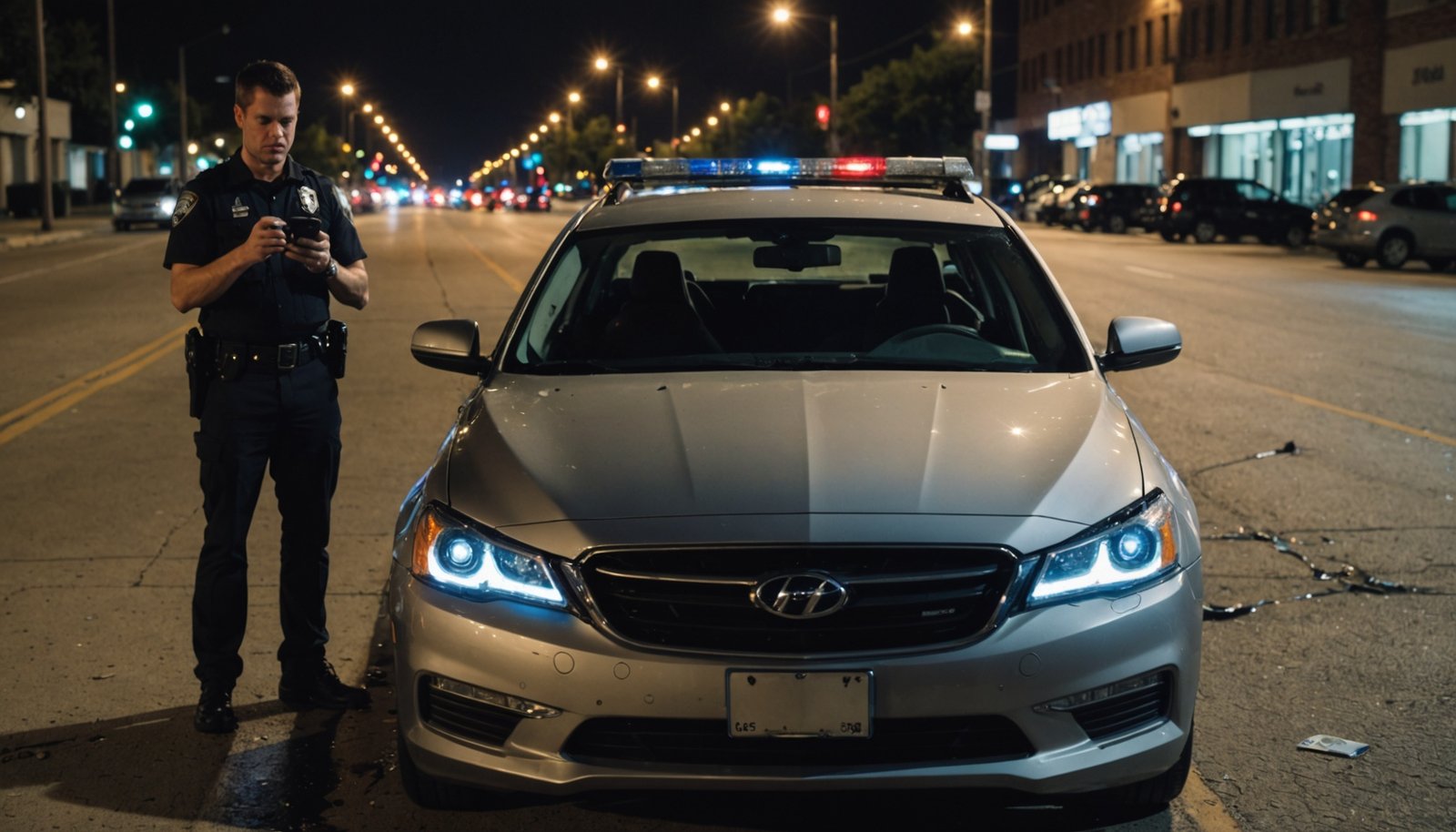
If your physical condition allows, begin documenting the scene before vehicles are moved. Use your phone to photograph the positions of all vehicles, visible damage, skid marks, road and weather conditions, and any visible injuries. Look for surveillance cameras on nearby buildings and traffic lights. Collect the names and phone numbers of any witnesses.
Step 4: Do Not Give a Recorded Statement to the Insurance Company
Within days of the crash you will likely receive a phone call from the at-fault driver’s insurance adjuster. Their job is to close your claim for as little money as possible. Politely tell the adjuster that your attorney will be in contact and end the call. Once you retain a Houston drunk driving accident lawyer, all communication with the insurance company goes through your attorney.
Step 5: Build Your Evidence File
From the day of the crash forward, save every medical bill, prescription receipt, physical therapy record, and doctor’s note. Keep a daily pain and symptom journal recording your pain levels, sleep disruption, emotional distress, and limitations on daily activities. If your injuries prevent you from working, document every missed day with pay stubs and employer correspondence.

Step 6: Understand Texas’s 2-Year Deadline for Filing
Under Texas Civil Practice and Remedies Code Section 16.003, personal injury claims must generally be filed within two years of the date of the accident. Missing this deadline permanently eliminates your right to sue. Starting early gives your lawyer maximum time to build the strongest possible case. Learn more in our guide on how to build a strong drunk driver injury claim in Houston.
Step 7: Contact a Houston Drunk Driving Accident Lawyer Early
Consulting with an experienced Houston drunk driving accident lawyer as soon as possible is your most important next step. Most DUI accident attorneys work on a contingency fee basis — you pay nothing upfront and owe nothing unless they win your case.
How long do I have to file a drunk driving accident claim in Texas?
Under Texas Civil Practice and Remedies Code Section 16.003, you generally have two years from the date of the accident to file a personal injury lawsuit. Missing this deadline permanently eliminates your right to sue.
What if the drunk driver had no insurance?
If the at-fault driver is uninsured or underinsured, you may have options through your own UM/UIM coverage, dram shop claims against any establishment that overserved the driver, or claims against an employer if a company vehicle was involved.
About This Guide
Produced by the editorial team at Houston Drunk Driving Lawyers Guide. For informational purposes only. Not legal advice.