
📖 Summarize this post with AI:
ChatGPT | Perplexity | Claude | Grok
⚡ Key Takeaways
- A drunk driving accident lawsuit lawyer in Houston files suit when insurance negotiations have stalled, liability is disputed, or damages exceed policy limits and the insurer refuses to settle fairly.
- Filing a lawsuit is not the end of settlement — the majority of Houston DUI cases settle after suit is filed but before trial, often at significantly higher values than pre-suit offers.
- Filing suit activates formal discovery — depositions, interrogatories, and document requests that can reveal evidence not accessible before litigation.
- The Texas two-year statute of limitations under Texas Civil Practice and Remedies Code Section 16.003 means filing must occur before the deadline or the right to sue is permanently lost.
- Exemplary damages under Texas Civil Practice and Remedies Code Section 41.003 are particularly powerful at trial — jury exposure to exemplary damages creates significant insurer incentive to settle fairly pre-trial.
- A credible trial record is the single most important factor that drives better pre-trial settlements — insurers offer more to attorneys known to take cases to verdict.
A drunk driving accident lawsuit lawyer in Houston knows that most Houston DUI civil cases settle — but the ones that settle best are the ones where the attorney is genuinely prepared and willing to go to trial. Understanding when filing a lawsuit makes strategic and practical sense, what the litigation process involves, and how trial exposure affects the entire settlement dynamic is essential for every victim whose case reaches the point where pre-suit negotiation has not produced a fair result.
When Filing a Lawsuit Makes Sense in a Houston DUI Case

Most drunk driving injury cases proceed through a pre-suit demand and negotiation phase before a lawsuit is filed. Filing suit becomes the right move when one or more of the following applies: the insurer has made a final offer that does not adequately reflect the documented damages; the insurer is disputing liability in ways that cannot be resolved through further correspondence; the statute of limitations deadline is approaching and negotiation is not progressing; the damages are so significant that only formal discovery will build the complete damages case; or dram shop defendants are not responding appropriately to pre-suit demands. A drunk driving accident lawsuit lawyer evaluates these factors continuously throughout the pre-suit phase — ensuring the decision to file is strategic rather than reactive. For a broader overview of the claims process, see our guide on the drunk driving accident lawsuit hub for Houston.
How Filing Suit Changes the Settlement Dynamic
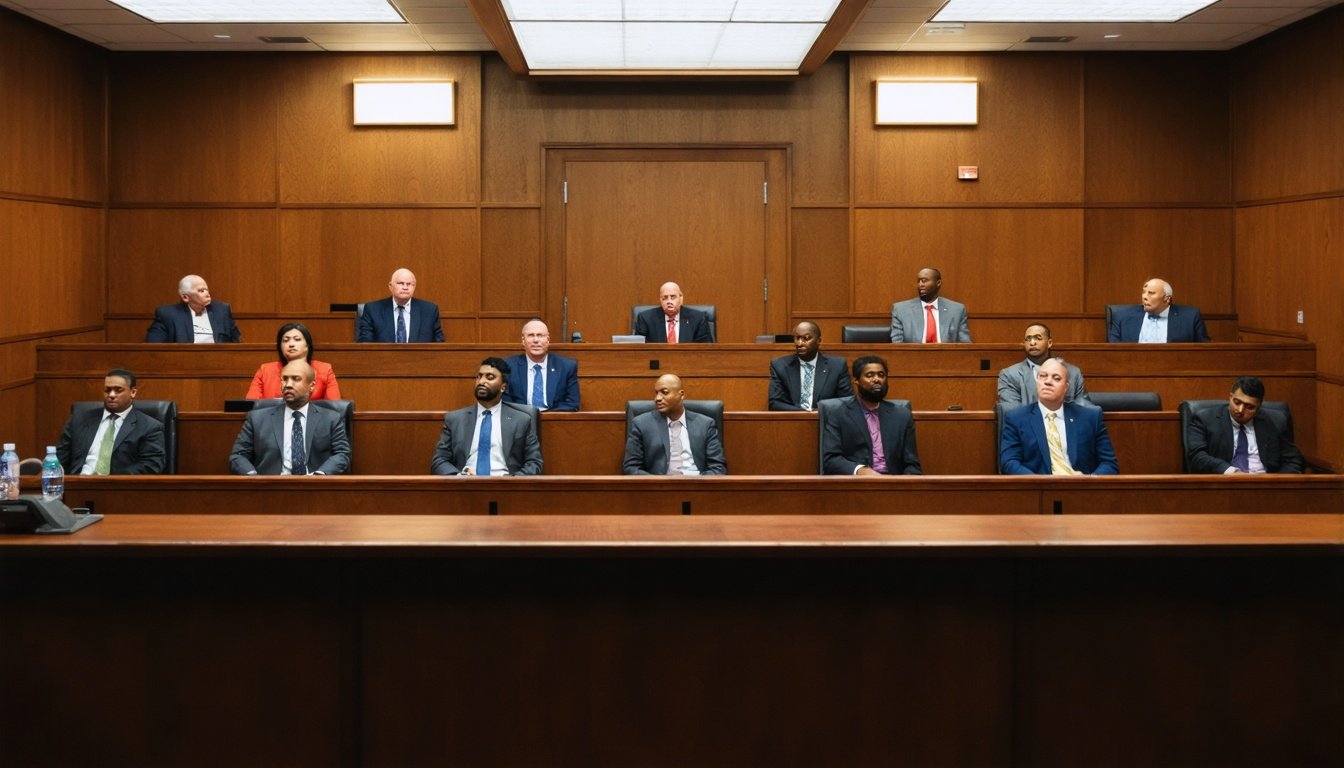
One of the most important things to understand about filing a lawsuit in a Houston DUI case is that it is not the end of settlement — it is often the beginning of serious settlement. Insurance companies make their most favorable offers when they have completed their own assessment of the case and when trial exposure becomes real and imminent. Filing suit creates that reality. Once a lawsuit is filed, the insurer must retain defense counsel, incur litigation costs, and face the possibility of a jury verdict that includes exemplary damages. This changed dynamic frequently produces settlements significantly higher than the last pre-suit offer. A drunk driving accident lawsuit lawyer uses the filing of suit as a strategic lever — not a concession that the case could not settle — and structures the litigation timeline to maximize settlement pressure at the right moments.
What Litigation Reveals Through Formal Discovery
Once a lawsuit is filed in Texas, both parties have access to formal discovery tools that are not available in the pre-suit phase. Depositions allow the plaintiff’s attorney to question the drunk driver, their insurer’s representatives, bar employees, and expert witnesses under oath. Interrogatories require written answers to specific factual questions. Requests for production compel the production of documents — including the defendant’s financial records for exemplary damages purposes, the bar’s complete point-of-sale and employee records, the motor carrier’s complete driver qualification file in truck cases, and the rideshare company’s full trip data. Formal discovery frequently reveals evidence that was inaccessible pre-suit and that significantly strengthens the damages case. A drunk driving accident lawsuit lawyer plans the discovery strategy before filing to ensure that every valuable evidence source is captured efficiently.
Exemplary Damages at Trial: The Most Powerful Settlement Driver
In Houston drunk driving accident cases, the availability of exemplary damages under Texas Civil Practice and Remedies Code Section 41.003 is the most powerful factor driving both the filing decision and the trial settlement dynamic. Exemplary damages go beyond compensating the victim — they punish the drunk driver for the deliberate choice to drive while impaired and deter others from similar conduct. In a trial setting, a Houston jury hearing the facts of a drunk driving case — particularly one with a high BAC, egregious pre-crash conduct, or particularly devastating injuries — may award exemplary damages that significantly exceed the compensatory damages. Insurance companies know this. The credible threat of an exemplary damages verdict is frequently the single most effective lever in driving a fair pre-trial settlement. A drunk driving accident lawsuit lawyer presents the exemplary damages theory clearly and specifically in pleadings, discovery, and motions to ensure the full force of this exposure is communicated to the insurer throughout the litigation.
The Statute of Limitations: Why Timing Matters in Every Houston DUI Case
Under Texas Civil Practice and Remedies Code Section 16.003, the statute of limitations for a personal injury claim arising from a drunk driving crash is two years from the date of the crash. For wrongful death claims, the two-year period runs from the date of death. Missing this deadline permanently eliminates the right to file a lawsuit — regardless of how strong the underlying case may be. A drunk driving accident lawsuit lawyer tracks the limitations period in every case from the moment of retention and files suit sufficiently in advance of the deadline to allow for proper pre-filing preparation. In practice, most cases are filed well before the two-year deadline — either because negotiations have failed or because the complexity of the case requires litigation to fully develop the damages picture. For more on how to start building a strong case before suit is filed, see our guide on the drunk driving accident claim lawyer guide for Houston.
When does a Houston drunk driving accident case need to become a lawsuit?
When the insurer’s final offer does not reflect the documented damages, when liability is disputed and cannot be resolved pre-suit, when the statute of limitations is approaching, or when formal discovery is needed to fully build the damages picture. Filing suit is a strategic lever — not a last resort — and frequently produces significantly better settlements than the last pre-suit offer.
Does filing a lawsuit mean my case will go to trial?
Not necessarily. Most Houston DUI cases settle after suit is filed but before trial. Filing creates real trial exposure — including exemplary damages risk — that frequently drives the insurer to offer significantly more than they were willing to offer pre-suit.
About This Guide
Produced by the editorial team at Houston Drunk Driving Lawyers Guide. Legal references cite current Texas statutes. For informational purposes only. Not legal advice.